

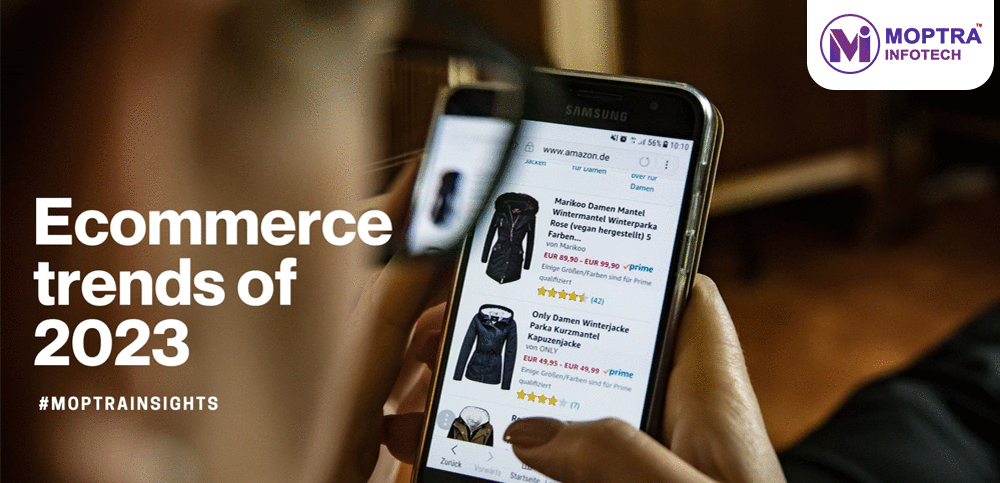
Mobile commerce: More and more people are using their phones to shop online, and this trend is expected to continue in the coming years.
Personalization: E-commerce companies are using data and machine learning to personalize the shopping experience for each individual customer. This can include personalized product recommendations, targeted marketing emails, and more.
Social media commerce: Social media platforms are becoming an increasingly important sales channel for eCommerce companies. Many businesses are using social media to showcase their products and make it easy for customers to make purchases directly through the platform.
Subscription models: Subscription-based ecommerce models, in which customers pay a regular fee to receive a package of products on a recurring basis, are becoming more popular.
Augmented reality and virtual reality: These technologies are being used by some eCommerce companies to enhance the shopping experience and make it easier for customers to envision products in their own homes.
Sustainable and ethical practices: Consumers are becoming more conscious of the impact of their purchases on people and the environment. As a result, eCommerce companies that prioritize sustainable and ethical practices are likely to see an advantage in the market.
Related Posts
Reason to Consider a V9 Upgrad...
Take advantage of modernization in architecture (cloud-native, containerization, headless approach support, and React-based sto...
Running behind on AI adabtion?...
AI companies like Moptra can help improve the transition to an AI-first ecosystem for an ecommerce brand in several ways. Here are...
How our AI services can transf...
AI is significantly enhancing customer experience in retail by providing personalized interactions and streamlining service proces...